Pharma Solvent
Absolute alcohol for extraction, granulation and cleaning in API production, where residual water has to stay low.

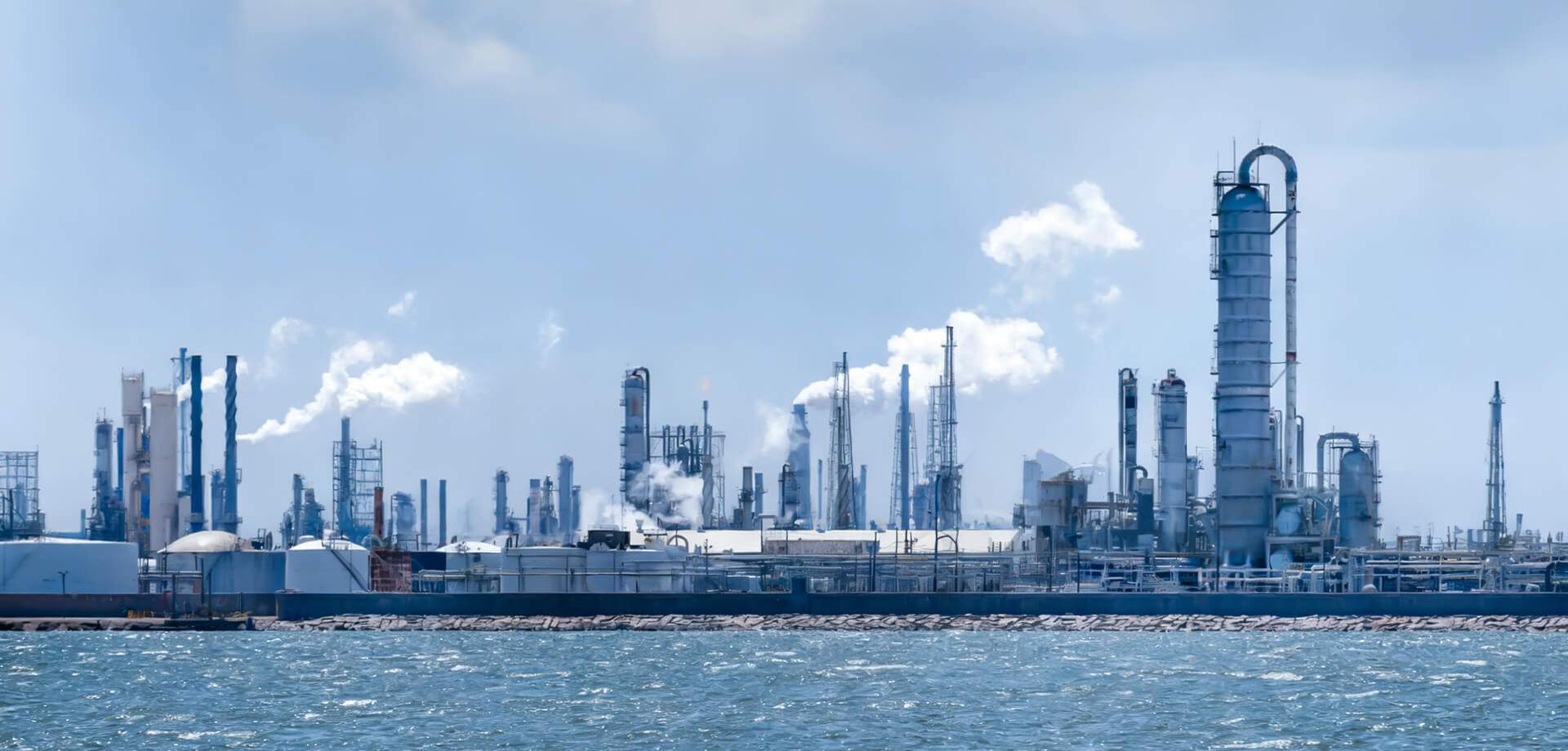
ADM Ethanol supply from Ascent Group Co., Ltd for formulators, fuel blenders and processing plants. ADM Ethyl Alcohol is offered as 190 proof and 200 proof grade with CAS 64-17-5, packed in drums, IBC totes and ISO tanks.
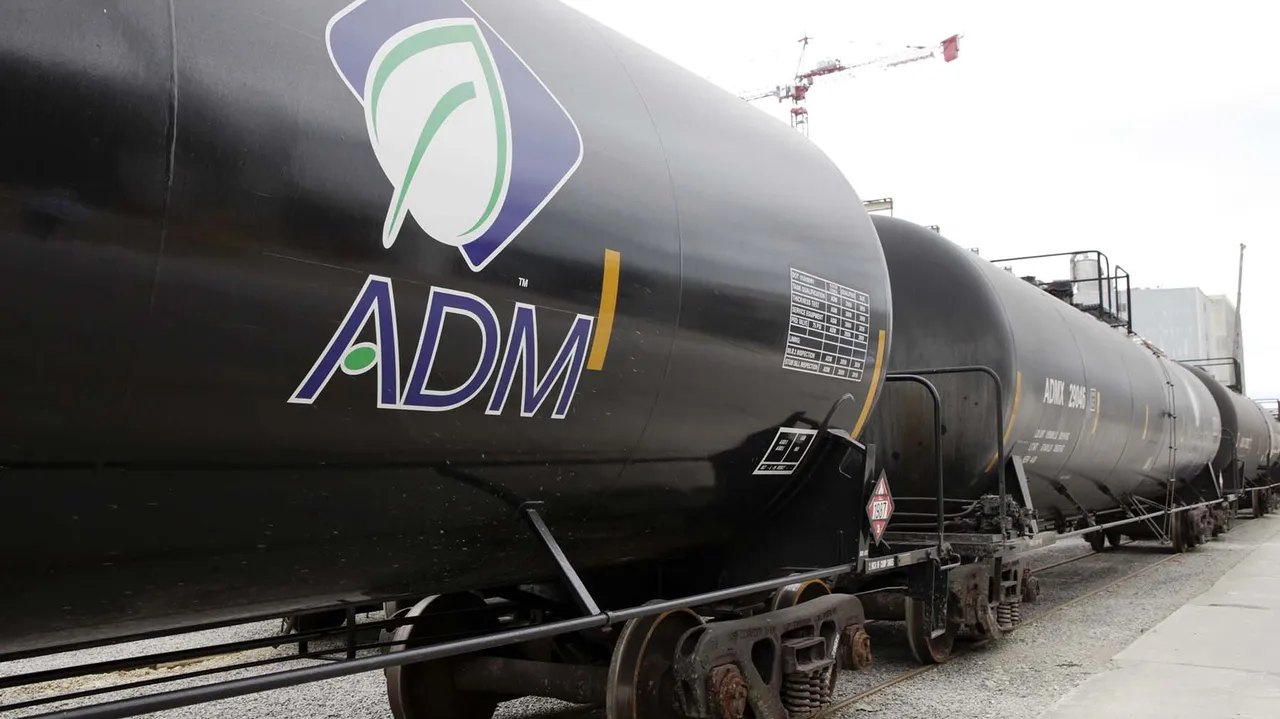
Ascent Group Co., Ltd supplies ADM Ethanol to buyers who need a documented chain from plant to tank. Each order is matched to the grade the customer specifies, and the certificate of analysis is issued against the shipment batch rather than a generic specification sheet.
The ethanol line covers fermentation and synthetic routes, with denatured and undenatured options. Because ethanol absorbs moisture from air, we store and transfer it in sealed, dry equipment and keep tanks under nitrogen where the grade requires it. Shipments are scheduled around the customer's receiving window so material does not sit in transit longer than needed.
Grades are separated at fill, not only at production: food grade alcohol never shares a loading line with industrial or denatured material, which keeps the odour and residue profile clean for beverage, flavour and pharmaceutical users. For buyers who compare sheet to sheet, we send both the specification and the batch COA before the tank is sealed.
Key values that purchasing and plant teams check first when qualifying an ADM Ethyl Alcohol source.
| Product name | Ethyl alcohol (ethanol) |
|---|---|
| CAS number | 64-17-5 |
| Molecular formula | C2H5OH |
| Molecular weight | 46.07 g/mol |
| Appearance | Clear, colourless liquid |
| Boiling point | 78.37 °C |
| Flash point | 13 °C (closed cup) |
| Density at 20 °C | 0.789 g/cm³ |
| Grades offered | 190 proof, 200 proof, denatured |

ADM Ethanol serves four main end uses. Each one takes a different grade and a different set of documents.
Blended into gasoline as a renewable oxygenate. Fuel grade ships denatured, with water content controlled to limit phase separation in the blend tank.
Absolute alcohol for extraction, granulation and cleaning in API production, where residual water has to stay low.
Used for flavour extracts, tinctures and food sanitising at bottling lines.
Solvent base for sanitisers, fragrances and cosmetic formulations requiring a clean odour profile.
Carrier for coatings, inks and adhesives. Denatured grades where the alcohol is not recovered.
Starting material for ethyl acetate, acetaldehyde and ether production in downstream plants.
Four container formats cover trial volumes up to full tanker loads. All are sealed and labelled before they leave the fill point.
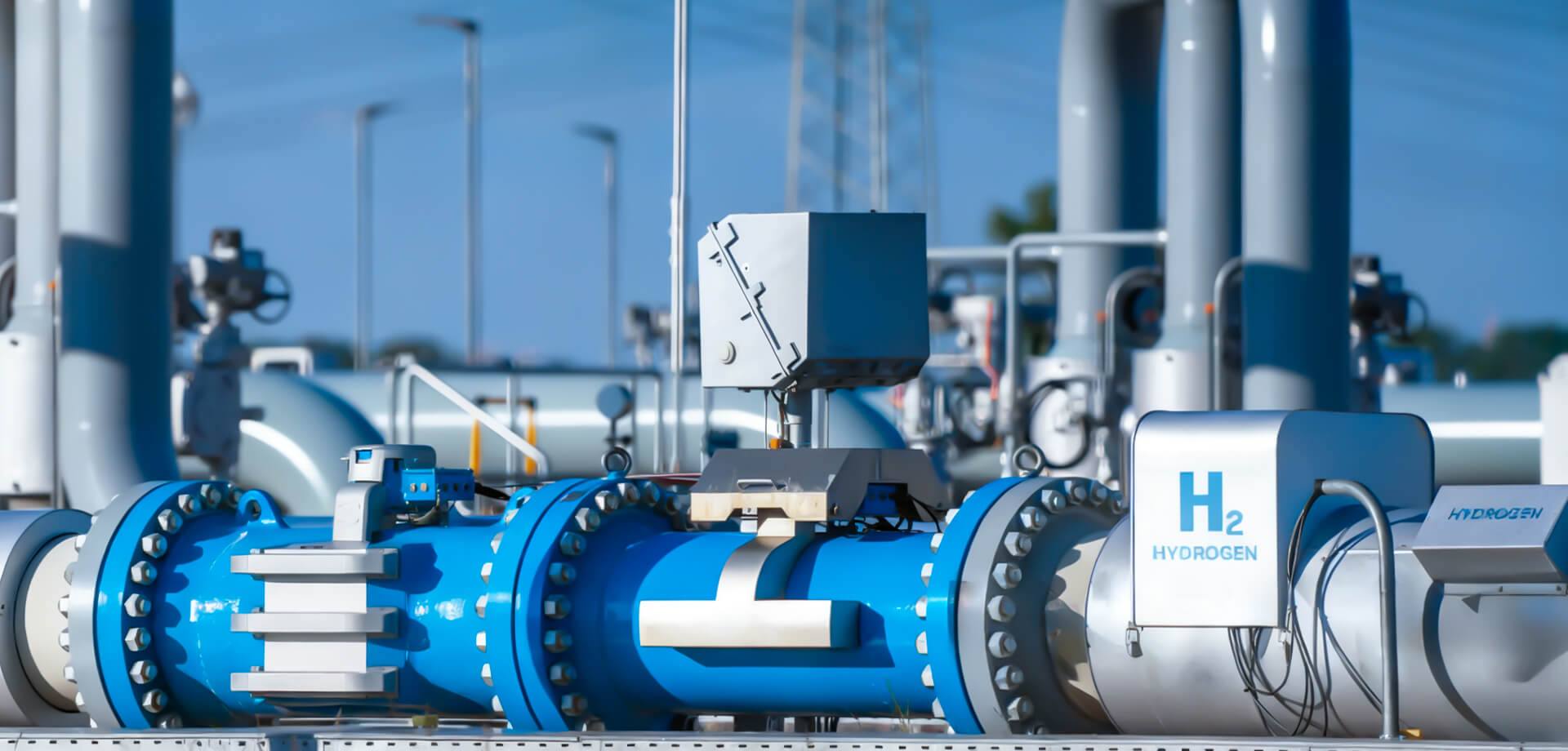
200 L epoxy-lined drums for smaller formulation runs and laboratory pilot batches, with tamper-evident closures.
1000 L composite totes with a top-fill cap and bottom valve, suited to plant-level consumption that does not justify a tanker.
20,000 to 26,000 L tank containers for ocean freight, nitrogen padded on request where dryness matters to the grade.
Bulk delivery into customer storage when the receiving site has a compatible, grounded offloading point and venting.
Every shipment is released only after the batch file is complete. The papers travel with the order, not after it.

Ethanol shipments are checked at more than one point: at production, at bulk storage transfer and again at the drum or tank fill. A sample from the sealed container is retained until the buyer has accepted the lot, so any query can be traced back to the exact lot.
Common points raised when a buyer switches source or adds a second grade.
Yes. Ethyl alcohol and ethanol are two names for the same compound, CAS 64-17-5, with formula C2H5OH. The proof value tells you how much water the alcohol contains: 200 proof is anhydrous, while 190 proof carries a small percentage of water.
We supply 190 proof, 200 proof and denatured ethanol. Food and pharmaceutical uses normally call for 200 proof undenatured material, while fuel blending and technical solvent work usually take a denatured grade.
Orders ship in 200 L steel drums, 1000 L IBC totes, 20,000 to 26,000 L ISO tanks or bulk road tankers. The container format follows the receiving site's offloading equipment and storage capacity.
Each shipment carries a batch certificate of analysis, the technical data sheet for the grade, a safety data sheet and a packing list with seal numbers for bulk or tote loads.
Ethanol is hygroscopic and pulls moisture from air. In fuel blending, high water causes phase separation; in pharmaceutical and flavour work it dilutes the alcohol strength. Sealed filling and nitrogen padding on ISO tanks keep the grade within the agreed limit.
Tell us the grade, the container format and the destination port, and we will send a quotation with the specification attached. For urgent enquiries, call or message directly.

Scan to chat with Bepa Zhu


